Ceramic Coating a Used Car: Why Correction Comes First
By Anthony Verrelli, 18+ years in detailing and paint protection
Quick answer
Yes, if the paint is prepared first. Ceramic coating locks in whatever is underneath — swirls, water spots and contamination included — so a used car needs decontamination and paint correction before coating. Done in that order, coating adds gloss, UV and chemical resistance, and makes washing easier in Arizona.
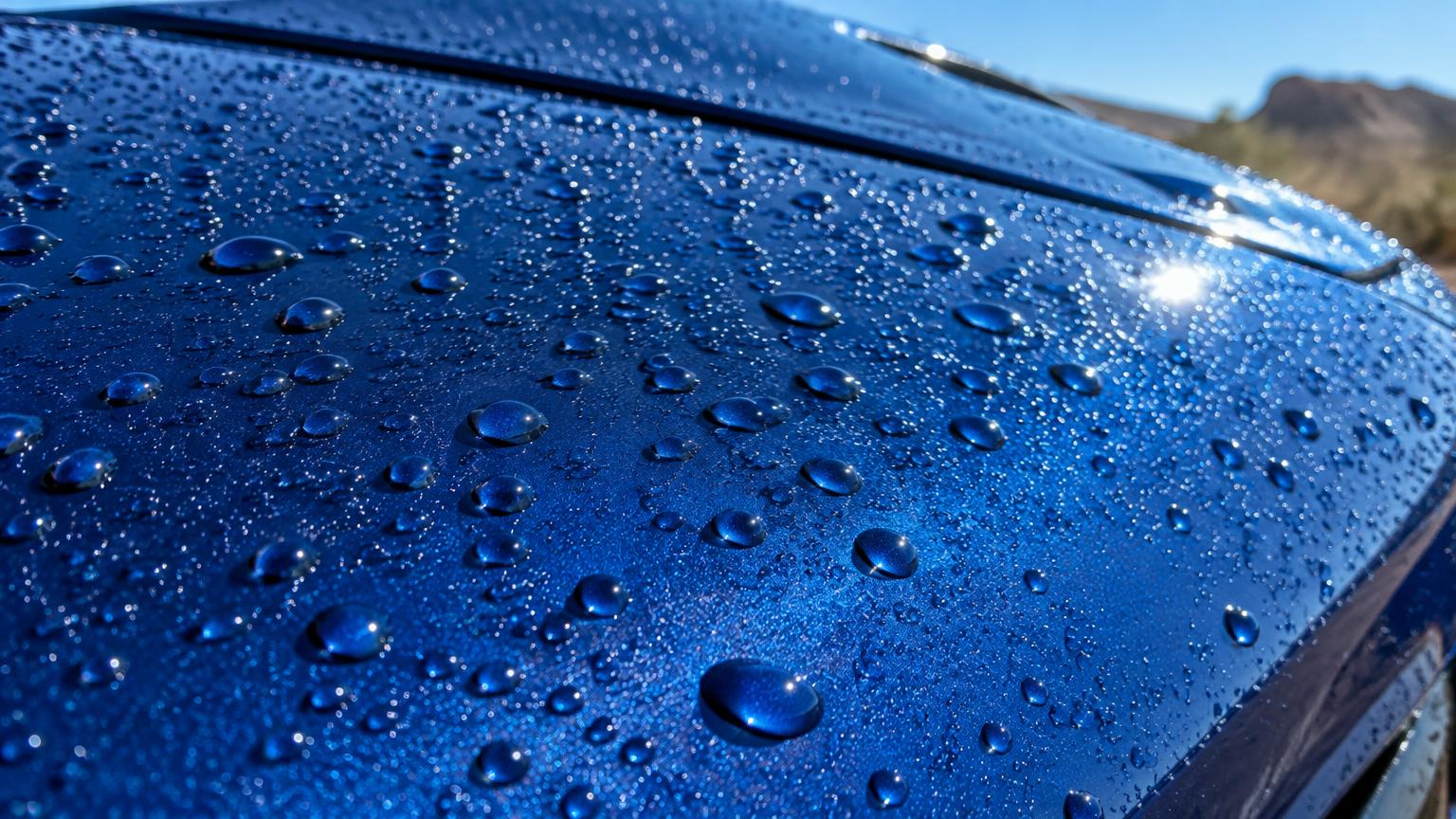
Why does correction have to come before coating?
Ceramic coating is clear. It bonds to the paint and preserves it exactly as it is at that moment. On a used car, that usually means swirls, haze, water spots and embedded iron.
Coat over those, and you've sealed them in under a glossy layer. They'll look shinier, but they'll still be there — and now they're harder to correct later, because the coating has to be polished off first.
On a used car, prep is everything. Decontaminate, correct, then coat.
What prep does a used car need before coating?
- Wash thoroughly.
- Decontaminate — iron remover, tar remover, clay. See what the orange dots on your car are.
- Correct — usually a one-step paint correction for a used car in average condition.
- Panel wipe to remove polishing oils so the coating bonds to bare paint.
- Coat — in suitable conditions, out of direct sun.
Why is coating worth it in Arizona?
UV
Arizona sun is relentless. UV slowly breaks down clear coat and leads to oxidation and fading — especially on horizontal panels like the roof, hood and trunk. Coating adds UV resistance on top of the clear coat.
Hard water
Phoenix-area water is mineral-heavy. Sprinklers, washes and monsoon rain leave spots that can etch into paint as they dry in the heat. A coated surface sheds water more readily, so less of it sits and dries. It doesn't make spotting impossible — but it makes spots easier to remove before they etch.
Dust and grime
Monsoon dust and everyday grime release more easily from a slick coated surface, which means gentler washing and fewer new swirls.
To be straight about limits: a one-step paint correction improves gloss and removes many light defects. It does not remove deep scratches, clear-coat failure or rock chips. Those need multi-step correction or paint work. And ceramic coating doesn't stop chips or scratches — it adds gloss, UV and chemical resistance, and makes washing easier.
Which ceramic coating do you use?
Gtechniq is our preferred brand. The right product depends on the car and how it's used, and we'll talk it through at the assessment. See ceramic coating in Phoenix for more.
What about wheels, glass and trim?
Paint isn't the only surface on a used car that's been neglected. Wheels collect baked-on brake dust, glass holds hard-water spots, and black plastic trim fades grey in the sun. Each can be cleaned and coated with a product made for that surface. Coated wheels release brake dust more easily, coated glass sheds rain and sprinkler water, and coated trim holds its colour better. It's worth asking about all of them at the same visit.
Can you ceramic coat an older car?
Usually, yes — as long as the clear coat is healthy. Age matters less than condition. If the paint has clear-coat failure (peeling, flaking or cloudy patches), coating won't fix that and paint work comes first. Paint thickness is checked before any correction so there's enough clear coat left to work with.
How do I wash a car after ceramic coating?
- Wait before the first wash — follow the cure time you're given.
- Rinse first to remove loose dust.
- Two buckets, a pH-neutral shampoo and a clean mitt.
- Wash in the shade or early/late in the day; don't let water dry on hot panels.
- Dry with a clean, soft towel or air — never dry-wipe dust.
- Avoid automatic brush washes. They'll scratch coated paint too.
- Use a coating-safe topper occasionally, if recommended.
Does coating make a used car 'new' again?
It's the last step that makes the reset stick. Decontamination and correction make the paint look new. Coating keeps it that way longer and makes every wash easier. Add a full interior detail, and the car feels like yours, not secondhand. That's the full New-to-You Reset:
- Full exterior decontamination — iron fallout remover, tar removal and clay treatment.
- One-step paint correction — a single machine-polishing stage to remove most light swirls, haze and water-spot marks and restore gloss.
- Ceramic coating to lock in the result.
- Full interior detail.
- Optional ozone treatment if the cabin holds odours from the previous owner.
| Option | Cost tier | What it fixes | Gloss | How long it holds up | Best for |
|---|---|---|---|---|---|
| Do nothing | Low | Nothing; contamination and swirls stay | As bought | Paint keeps ageing in the sun | Cars you plan to sell on quickly |
| Wash & wax | Low | Surface dirt only; fills some swirls briefly | Short-term shine | Washes away quickly in Arizona heat | A quick tidy-up |
| One-step correction + ceramic | Medium | Removes many light swirls, haze and water-spot marks, then protects | Strong, clear gloss | Coating keeps the corrected finish easier to maintain | Most used cars in average condition |
| Multi-step correction + ceramic | High | Removes more and deeper defects, then protects | Highest clarity | Same coating benefits on a more refined finish | Dark, neglected or high-value cars |
What's on the first-week-of-ownership checklist?
- Book the reset before you settle in. Doing it in the first week means you only pay to fix the previous owner's wear once.
- Don't take it through an automatic wash. Brushes add the swirls you're about to pay to remove.
- Look closely at the paint in direct sun: swirls, haze, water spots, orange specks on light colours.
- Check the cabin: under the seats, seat rails, vents, headliner, and how it smells after sitting in the heat.
- Replace the cabin air filter if there's no record of when it was last done.
- Note anything the reset can't fix — rock chips, deep scratches, failing clear coat — so you can plan for them.
- Park in shade or a garage while you wait, to slow further sun damage.
More on paint correction in Phoenix. Trail-scratched paint? See desert pinstriping removal. We come to your home or office in Scottsdale, Paradise Valley, North Phoenix, Deer Valley and Cave Creek.
Frequently asked questions
Should I ceramic coat a used car?
Yes, after decontamination and paint correction. Coating locks in whatever is underneath, so the paint has to be prepared first.
Can you ceramic coat over swirls?
You can, but the swirls stay under the coating. Correct first so the coating preserves a clean finish.
Is ceramic coating worth it in Arizona?
Often, yes. It adds UV and chemical resistance, helps with hard water and makes washing easier.
Does ceramic coating stop scratches and rock chips?
No. It adds gloss, UV and chemical resistance and easier washing. It doesn't stop chips or scratches.
Can an older car be ceramic coated?
Usually, if the clear coat is healthy. Clear-coat failure needs paint work first.
What coating brand do you prefer?
Gtechniq is our preferred brand.
How should I wash a ceramic coated car?
Rinse first, use two buckets and pH-neutral shampoo, wash in shade, dry gently and avoid automatic brush washes.