Desert Pinstriping: What It Is, How to Check It, and How It's Removed
By Anthony Verrelli, 18+ years in detailing and paint protection
Quick answer
Usually, yes. Most desert pinstriping sits in the clear coat and comes out with machine paint correction. Wash and dry the panel, inspect it in direct sun or under a flashlight at an angle, and run a fingernail across the line. If it doesn't catch, it's typically correctable. If it catches, it may need paint.
What is desert pinstriping?
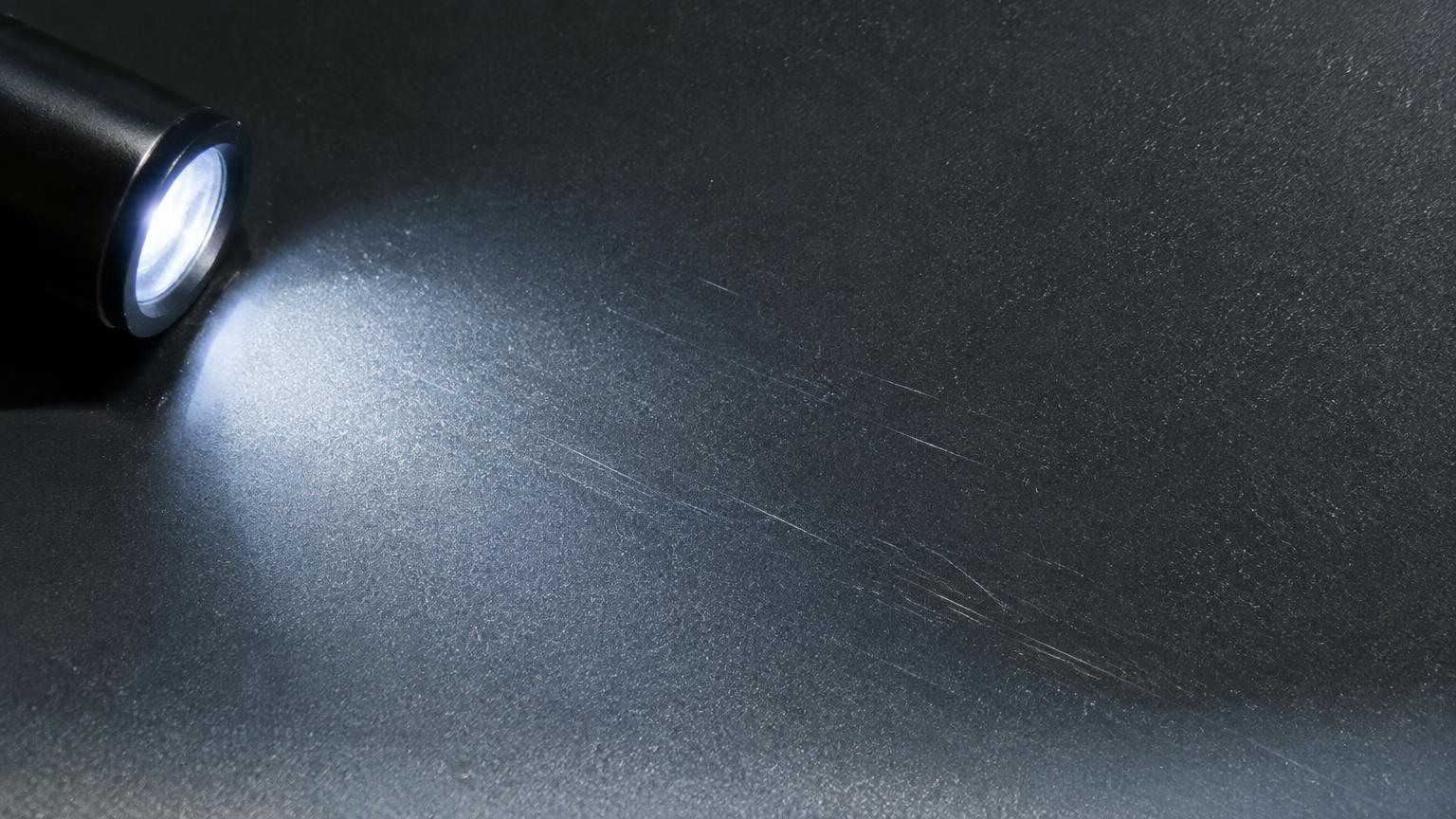
Desert pinstriping is the set of thin, straight scratches left when brush drags along a vehicle. Off-roaders call it trail rash or Arizona pinstripes. It's named for how it looks: fine lines running front to back, like someone pinstriped the doors with a needle.
In Arizona the usual culprits are mesquite, palo verde, catclaw acacia and creosote. Trails like Broken Arrow near Sedona, Bulldog Canyon outside Mesa and the routes up to Seven Springs and Bartlett Lake push you right through them.
Most of these scratches are shallow. They cut into the clear coat, the transparent top layer, without reaching the colour coat below. That's the good news. It means most of them can be removed.
How do I check if my trail scratches are fixable?
You can get a good idea yourself in about ten minutes. Do it before you buy anything or try a fix.
Pinstripe self-check: how do I know if trail scratches are fixable?
- Wash it. Dust hides scratches and fakes others. Use a proper two-bucket wash, not a dry wipe.
- Dry it fully. Water fills fine scratches and makes them disappear for a minute.
- Look in direct sun, or use a flashlight at a low angle. Move the light across the panel. Pinstripes show up as thin bright lines.
- Do the fingernail test. Drag a nail gently across the line. If it doesn't catch, the mark is usually in the clear coat and correctable by polishing. If it catches, it's likely deeper than the clear coat.
- Check the colour. White or grey at the bottom of a scratch usually means primer. Bare metal means paint, not polish.
- Map it. Photograph each panel in the same light. It makes an assessment faster and shows you whether marks are getting worse trip to trip.
This isn't a diagnosis. It's a sorting step. A professional will measure paint thickness before polishing, because how much clear coat you have left decides how much can safely come off.
What can machine polishing fix, and what needs paint?
Usually correctable
- Fine pinstripes your nail doesn't catch on.
- Brush haze — the dull, scuffed look on lower doors after a dusty trail.
- Swirls from dry-wiping dust or from a rough wash.
- Light sap etching, if it's dealt with early.
Usually needs paint or touch-up
- Scratches that catch your nail firmly.
- Lines showing white, grey or bare metal.
- Rock chips that have taken paint off.
- Areas already polished thin by previous correction.
Some deep scratches can be improved even if they can't be fully removed. Edges get softened so they catch less light. Whether that's worth doing is a judgment call made panel by panel.
Why does DIY rubbing compound often make it worse?
Rubbing compound is an abrasive. Applied by hand, it's uneven. It cuts hard in some spots and barely touches others. The result is usually a hazy patch that's more visible than the original scratches.
The bigger risk is that you can't see how much clear coat you're taking off. Clear coat is thin. Once it's gone in a spot, that area can't be polished again and needs paint. Polishing over an edge or body line on a Jeep or Bronco can burn through quickly.
Scratch-remover pens and "magic" cloths mostly fill the scratch temporarily. They look fine for a week, then the lines come back after a few washes.
How does professional paint correction remove pinstripes?
- Decontamination. Wash, iron remover and clay. Embedded grit gets lifted out so it isn't dragged around by the pad.
- Inspection and measurement. Panels are checked under proper lighting and paint thickness is measured, so we know how much material is safe to work with.
- Test spot. A small area is corrected first to find the least aggressive pad and polish that does the job.
- Compounding where needed. Only the damaged areas get the heavier step.
- Refining. A finer polish removes the haze left by compounding and brings back clarity and gloss.
- Panel wipe and final inspection. Oils are removed so you see the true result, not filled scratches.
The goal is to remove as little clear coat as possible to get the result. That's why measurement matters. See paint correction in Phoenix for more on how we approach it.
How long does pinstripe correction take, and how long does it last?
It depends on how many panels are affected and how deep the marks go. Lower doors and rockers on one side might be a few hours. A full vehicle after a season of trails is a much longer job, sometimes more than a day. An honest estimate comes after the inspection, not before.
The correction itself is permanent. The scratches that were removed don't come back. New ones will, though, the next time brush drags across bare paint. That's the real reason protection matters after correction: otherwise you're paying to reset the same panels every few trips, and each reset uses up a little more clear coat.
Between trips, avoid automatic car washes with brushes and never dry-wipe trail dust. Both add their own fine scratches on top of the pinstriping, and they make the next correction bigger.
How do I stop pinstriping from coming back?
Correction resets the paint. It doesn't protect it. The next trail will do the same thing again unless something takes the hit.
The right order is correct first, then protect. Partial paint protection film goes on the panels that touch brush — rockers, lower doors, fender flares, front bumper, hood leading edge and mirror caps. Ceramic coating goes over the rest for UV protection and easy dust cleanup. Our comparison of PPF vs. ceramic vs. bedliner explains what each one does and doesn't do.
Correction and protection are done at your home in Scottsdale, Cave Creek and North Phoenix. No drop-off required.
Frequently asked questions
What causes desert pinstriping?
Hard, dry branches from plants like mesquite, palo verde, catclaw acacia and creosote dragging across the paint on narrow trails.
How do I know if a trail scratch is too deep to polish?
Wash and dry the panel, then run a fingernail across the scratch. If it catches, or you see white, grey or bare metal, it's likely through the clear coat and may need paint.
Can I remove pinstripes with rubbing compound at home?
You can try, but hand compounding is uneven and often leaves haze. It also removes clear coat you can't measure, which can make a later professional correction harder.
Does paint correction remove all trail scratches?
It removes most scratches that are in the clear coat. Deeper scratches can sometimes be improved but not fully removed. An assessment tells you which is which.
How do I prevent pinstriping after correction?
Install partial paint protection film on the panels that touch brush, then add ceramic coating for easier cleaning and UV protection.
Will ceramic coating hide pinstripes?
No. Ceramic coating adds gloss but doesn't fill or hide scratches for long. Correct the paint first, then coat it.