Windshield Protection Film in Arizona: Is It Worth It?
By Anthony Verrelli, 18+ years in detailing and paint protection
Quick answer
Often, yes — especially for off-roaders, highway commuters stuck behind gravel trucks, and vehicles with expensive camera-calibrated windshields. The clear film absorbs many small rock strikes before they chip the glass. Arizona heat and AC temperature swings make chips spread into cracks quickly, so preventing them matters more here.
Why do windshield chips turn into cracks so fast in Arizona?
A chip is a weak point. Glass handles even pressure well, but it doesn't like stress concentrated at one spot.
Arizona creates that stress every day. In summer the outside of the windshield bakes in the sun. Then you start the car and the AC blasts cold air at the inside. One surface is hot, the other is cooling fast. The glass flexes slightly, and a chip is where that flex turns into a crack.
Washing a hot windshield with cold water does the same thing. So does a monsoon storm on glass that's been sitting in 110°F sun. That's why a chip you meant to deal with next week is often a crack by Friday.
What is windshield protection film?
Windshield protection film is a thin, optically clear layer applied to the outside of the glass. It's designed to absorb and spread the energy of small impacts — gravel, sand and small stones — so they mark the film instead of chipping the glass.
When the film eventually wears or takes too many hits, it gets replaced. Replacing film is usually far less hassle than replacing a windshield.
How is windshield film different from window tint?
- Location: Protection film goes on the outside. Tint usually goes on the inside.
- Purpose: Protection film is for impact. Tint is for heat, glare and privacy.
- Appearance: Protection film is designed to be clear. Tint is darkened by design.
Some films combine features, but they're different products. Rules on what you can put on a windshield vary. Confirm current Arizona windshield regulations before installing any film or tint on the front glass.
Does windshield film affect visibility or wipers?
Two fair concerns.
Optical clarity. Quality film is designed to be clear and distortion-free. Cheaper films, or poor installs, can show haze, edges or slight distortion — especially at night. Install quality matters as much as the film.
Wiper wear. The film's surface takes the wiper contact instead of the glass. Over time the wiper path can show wear. Clean blades help. Dirty or worn wipers dragging Arizona dust across any surface will mark it. Plan on the film being a wear item.
What are the honest pros and cons?
Pros
- Fewer chips, so fewer chips turning into cracks.
- Protects windshields that are costly to replace or recalibrate.
- Film can be replaced without replacing glass.
- Can make rain and dust easier to clear, depending on the film.
Cons
- It won't stop every impact. Large or fast rocks can still break glass.
- It's a wear item and will need replacing eventually.
- Quality varies a lot. A cheap film or rushed install can hurt clarity.
- Regulations on windshield films vary, so check before you install.
Who should get windshield protection film?
- Off-roaders. Gravel roads out to Seven Springs, Bartlett Lake or Broken Arrow throw a lot of stones, especially when following another rig.
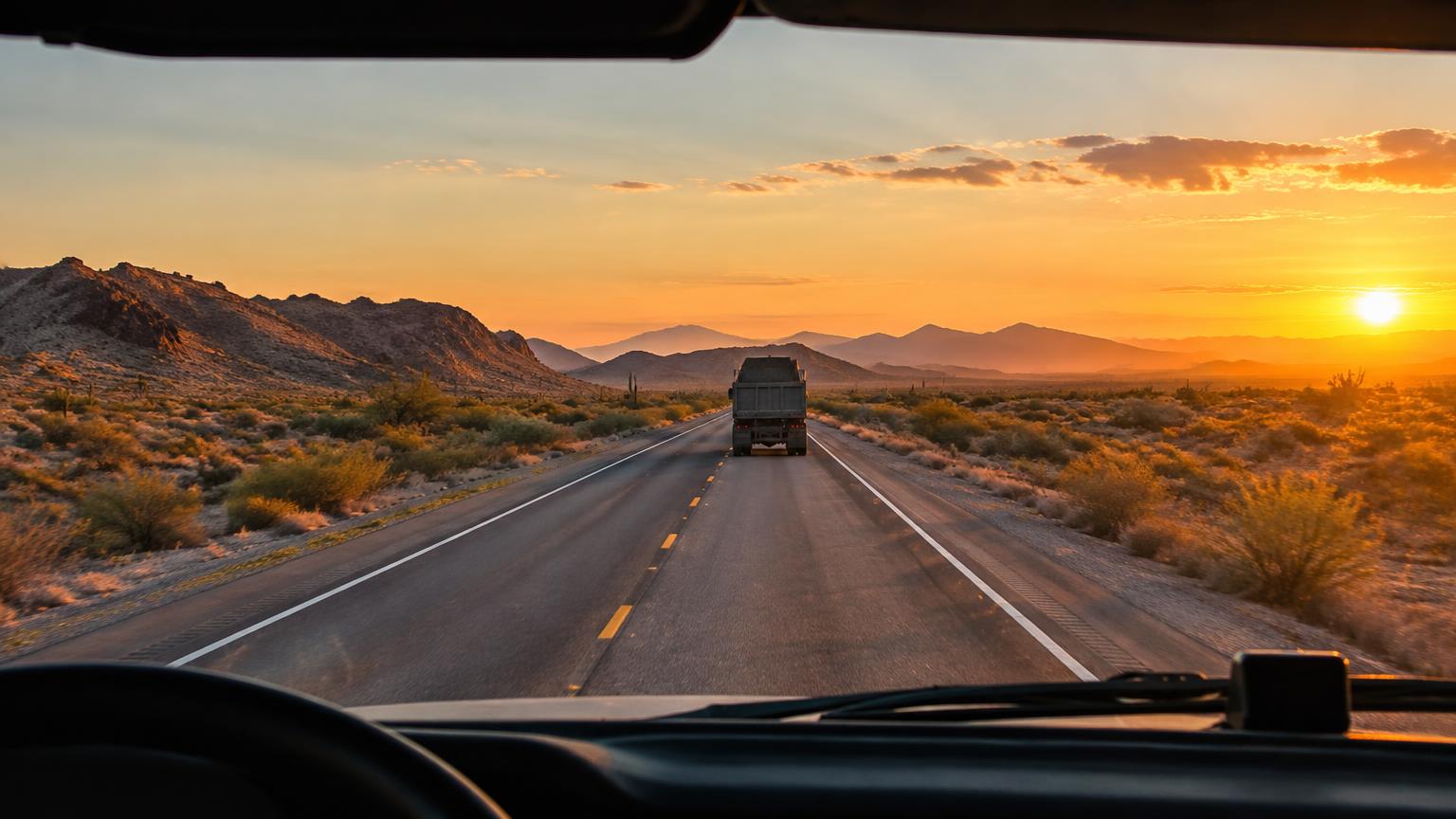
- Highway commuters. Loop 101, I-17 and the 51 put you behind gravel and construction trucks regularly.
- Owners of ADAS-equipped vehicles. Many newer vehicles have cameras mounted to the windshield for lane-keeping and emergency braking. Replacing that glass often means recalibration on top of the glass itself.
- Owners of rare or hard-to-source glass. Some windshields take time to get. Protecting the one you have avoids the wait.
If you mostly drive short city trips and park in a garage, the case is weaker. Be honest with yourself about how often you're behind trucks or on gravel.
What should I do if my windshield already has a chip?
Deal with it quickly. A small chip can often be repaired by a glass specialist if it hasn't spread. Until then, avoid pointing the AC straight at the glass on a hot day, don't wash the windshield cold when it's been in the sun, and park in shade when you can.
Film should go on glass that's in good condition. It won't fix an existing chip or crack, and it isn't a substitute for repair. Once the glass is sound, film is about preventing the next one.
How do I look after windshield film in the desert?
Keep it simple. Rinse dust off before wiping, so you aren't dragging grit across the film. Replace wiper blades as soon as they streak or chatter — Arizona sun hardens rubber fast. Use a gentle glass cleaner, not anything abrasive. If the film starts to haze in the wiper path or shows a lot of impact marks, it's done its job and is due for replacement.
What about the paint around the windshield?
The same gravel that chips glass chips the hood leading edge, bumper and mirror caps. That's where partial PPF goes. Ceramic coating over the paint helps dust release. Our guide to protecting a Jeep from trail scratches covers the panels in detail.
Pinstripe self-check: how do I know if trail scratches are fixable?
- Wash it. Dust hides scratches and fakes others. Use a proper two-bucket wash, not a dry wipe.
- Dry it fully. Water fills fine scratches and makes them disappear for a minute.
- Look in direct sun, or use a flashlight at a low angle. Move the light across the panel. Pinstripes show up as thin bright lines.
- Do the fingernail test. Drag a nail gently across the line. If it doesn't catch, the mark is usually in the clear coat and correctable by polishing. If it catches, it's likely deeper than the clear coat.
Paint already chipped or scratched from highway use? See paint correction in Phoenix and ceramic coating in Phoenix. Service is at your home in Scottsdale, North Phoenix and Cave Creek.
Frequently asked questions
Does windshield protection film stop all rock chips?
No. It absorbs many small impacts that would otherwise chip the glass, but large or high-speed rocks can still damage the windshield.
Is windshield protection film the same as tint?
No. Protection film is clear and goes on the outside for impact resistance. Tint is usually on the inside and is meant to reduce heat and glare.
Is windshield film legal in Arizona?
Regulations on windshield films can change and depend on the product. Confirm current Arizona windshield regulations before installing any film.
Why do chips crack faster in Arizona?
Hot glass cooled quickly by AC, cold wash water or monsoon rain flexes, and the chip is where that stress turns into a crack.
Does windshield film affect night driving?
Quality film installed well is designed to be clear. Lower-quality film or poor installation can cause haze or distortion, especially at night.
How long does windshield protection film last?
It's a wear item. How long it lasts depends on the film, how much you drive behind gravel, and your wipers. It's replaced when worn.