Bronco, 4Runner & Tacoma Paint Protection Before Your First Arizona Trail
By Anthony Verrelli, 18+ years in detailing and paint protection
Quick answer
Before the first trail. New paint has no scratches to correct, so protection goes straight on. Put partial PPF on the rockers, lower doors, fender flares, front bumper, hood edge and mirror caps, add ceramic coating everywhere for easy cleanup, and consider windshield film if you'll be on gravel roads.
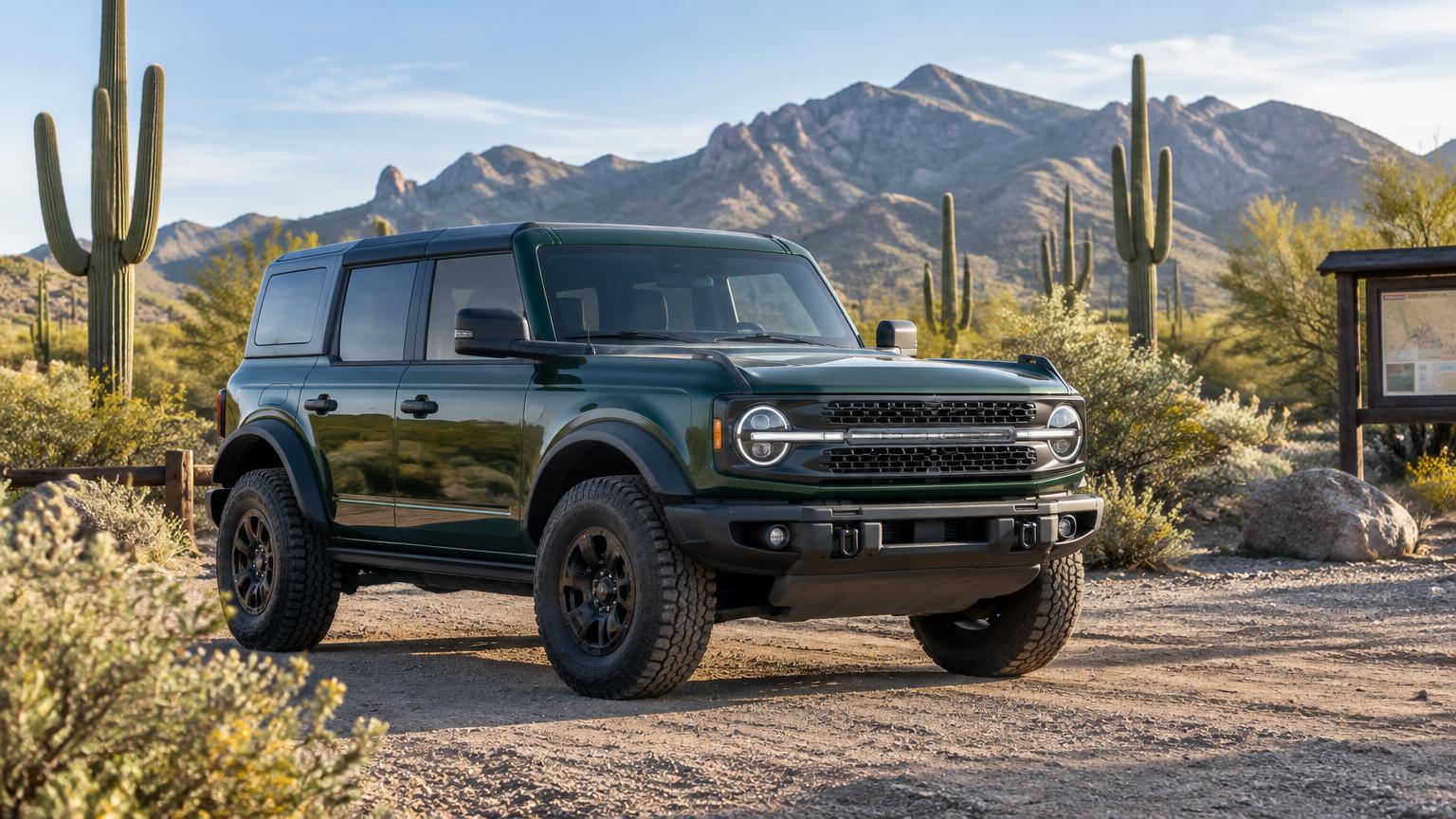
Why protect a new vehicle before the first trail, not after?
Because the first trail is when the damage starts. One afternoon at Bulldog Canyon or on the road to Seven Springs can put dozens of pinstripes down the side of a new truck.
Protecting after the fact means correcting first. Film and coatings lock in whatever is underneath, so the scratches have to come out before anything goes on. That's extra work, and every correction removes some clear coat you never get back.
New paint is the best surface you'll ever have. It still needs a careful wash and decontamination — dealer prep and transport leave their own marks — but usually far less correction than a vehicle that's already been out.
Which areas take the most damage on a Bronco, 4Runner or Tacoma?
Each model is shaped differently, but the damage zones follow the same logic: low panels, wide points and forward-facing surfaces.
Ford Bronco
Boxy sides and flared fenders mean brush hits flat panels along the full length. Rockers, lower doors, the area behind the front flares and mirror caps take the most. The front bumper and hood edge take highway chips.
Toyota 4Runner
Lower doors and rocker panels catch gravel spray from the front tires. Rear quarter panels behind the wheels pick up rash on tight trails. The front bumper and hood leading edge take chips on the drive out.
Toyota Tacoma
Bed sides are long, flat and right at brush height, so they pinstripe easily. Lower cab doors, rockers and the area behind each wheel take gravel. The front end takes chips like any truck.
These are general patterns, not model specs. How you drive matters more than what you drive. An honest assessment looks at your trails, your parking and your daily miles.
| Option | Cost tier | Protection | Looks | Removable | Best for |
|---|---|---|---|---|---|
| Partial PPF | Medium | High against pinstripes, gravel and light rock chips on covered panels | Invisible; keeps factory finish | Yes, cleanly, when removed properly | Trail rigs that should still look factory |
| Ceramic coating | Medium | Low against scratches and chips; high for UV, dust and easy cleaning | Adds gloss and depth | Wears off over time; polishing removes it | Easier cleanup on every panel, on top of PPF |
| Bedliner / Raptor-style liner | Low to medium | Very high against impact and scraping | Textured, utilitarian; changes the look | No — effectively permanent | Hardcore builds, rock crawlers, work trucks |
| Do nothing | Low up front | None | Factory, until it isn't | — | Owners who plan to repaint or don't mind the patina |
What should be on a new trail rig protection checklist?
- Wash and decontaminate. Remove transport grime, rail dust and dealer residue.
- Inspect under good light. Dealer prep often leaves swirls. Fix them now, before film goes on.
- Light correction if needed. Only as much as the paint actually needs.
- Partial PPF on high-impact zones. Rockers, lower doors, fender flares, front bumper, hood leading edge, mirror caps — plus bed sides on a Tacoma if you run tight trails.
- Ceramic coating over everything. Paint, film, and trim where suitable. It makes dust and mud rinse off and slows UV fade.
- Windshield protection film. Worth considering if you drive gravel roads or highways behind trucks. See windshield protection film in Arizona.
- Set a wash routine. Rinse heavily, two buckets, never dry-wipe dust.
How do partial PPF, ceramic and windshield film work together?
Think in layers. Each one does a different job.
- Partial PPF takes the physical hits — brush, gravel, light rock contact — where they actually happen.
- Ceramic coating makes every surface slick, so cleanup after a dusty run is a rinse, not a scrub. It also slows UV damage on paint and film. More at ceramic coating in Phoenix.
- Windshield film protects the glass from small rock strikes before they become Arizona-heat cracks.
You don't need everything on every vehicle. A weekend rig parked in a garage needs less than a daily driver that runs the I-17 and trails on Saturdays. Our PPF vs. ceramic vs. bedliner comparison goes deeper on the tradeoffs.
If I'm adding bumpers and sliders, what still needs protecting?
Aftermarket armor changes the picture, but it doesn't remove the need for paint protection.
- Rock sliders protect the pinch weld and lower rocker from impact. They don't protect the lower doors from brush, and they can throw gravel up onto the paint above them.
- Steel front bumpers replace a chip-prone plastic bumper, but the hood edge, fenders and mirrors still take chips.
- Fender flare swaps often expose paint that was hidden. The new edge line is where brush catches.
- Racks and roof tents don't need film, but the roof still needs UV protection — ceramic helps there.
Install armor first where possible, then protect around it. Film fitted before a bumper swap may need to be redone.
Pinstripe self-check: how do I know if trail scratches are fixable?
- Wash it. Dust hides scratches and fakes others. Use a proper two-bucket wash, not a dry wipe.
- Dry it fully. Water fills fine scratches and makes them disappear for a minute.
- Look in direct sun, or use a flashlight at a low angle. Move the light across the panel. Pinstripes show up as thin bright lines.
- Do the fingernail test. Drag a nail gently across the line. If it doesn't catch, the mark is usually in the clear coat and correctable by polishing. If it catches, it's likely deeper than the clear coat.
Already been out and found some marks? Most come out with paint correction before protection goes on. Work is done at your home in Scottsdale, Cave Creek and North Phoenix.
Frequently asked questions
Should I get PPF on a brand-new Bronco before off-roading?
Yes, ideally. New paint needs little or no correction, so film can go on right away and protect it from the first trail.
Does a new truck need paint correction before PPF?
Sometimes. Dealer prep and transport can leave swirls or marks. A careful inspection decides whether light correction is needed first.
Where should PPF go on a Tacoma for trail use?
Rockers, lower doors, fender flares, front bumper, hood leading edge and mirror caps, plus the bed sides if you drive narrow, brushy trails.
Do rock sliders replace the need for PPF?
No. Sliders protect against impact low on the body, but brush still pinstripes the doors above them, and sliders can kick gravel onto nearby paint.
Is ceramic coating enough for a new 4Runner?
Not for trail use. Ceramic makes cleaning easier and slows UV fade, but it won't stop branch scratches or chips. Pair it with partial PPF.
Should I install aftermarket bumpers before or after PPF?
Before, where possible. Film fitted to the factory bumper or flares may need to be redone after a swap.