Excavator Ceramic Coating: Protecting a New Machine From Sun, Dust & Concrete
By Anthony Verrelli, 18+ years in detailing and paint protection
Quick answer
Yes, ideally on delivery. Coat the boom, stick, counterweight and cab paint to resist UV chalking and make concrete, caliche and mud easier to wash off. Coat the cab glass for better visibility in dust and rain. Coating won't stop gouges or chips, so bucket and track areas stay uncoated.
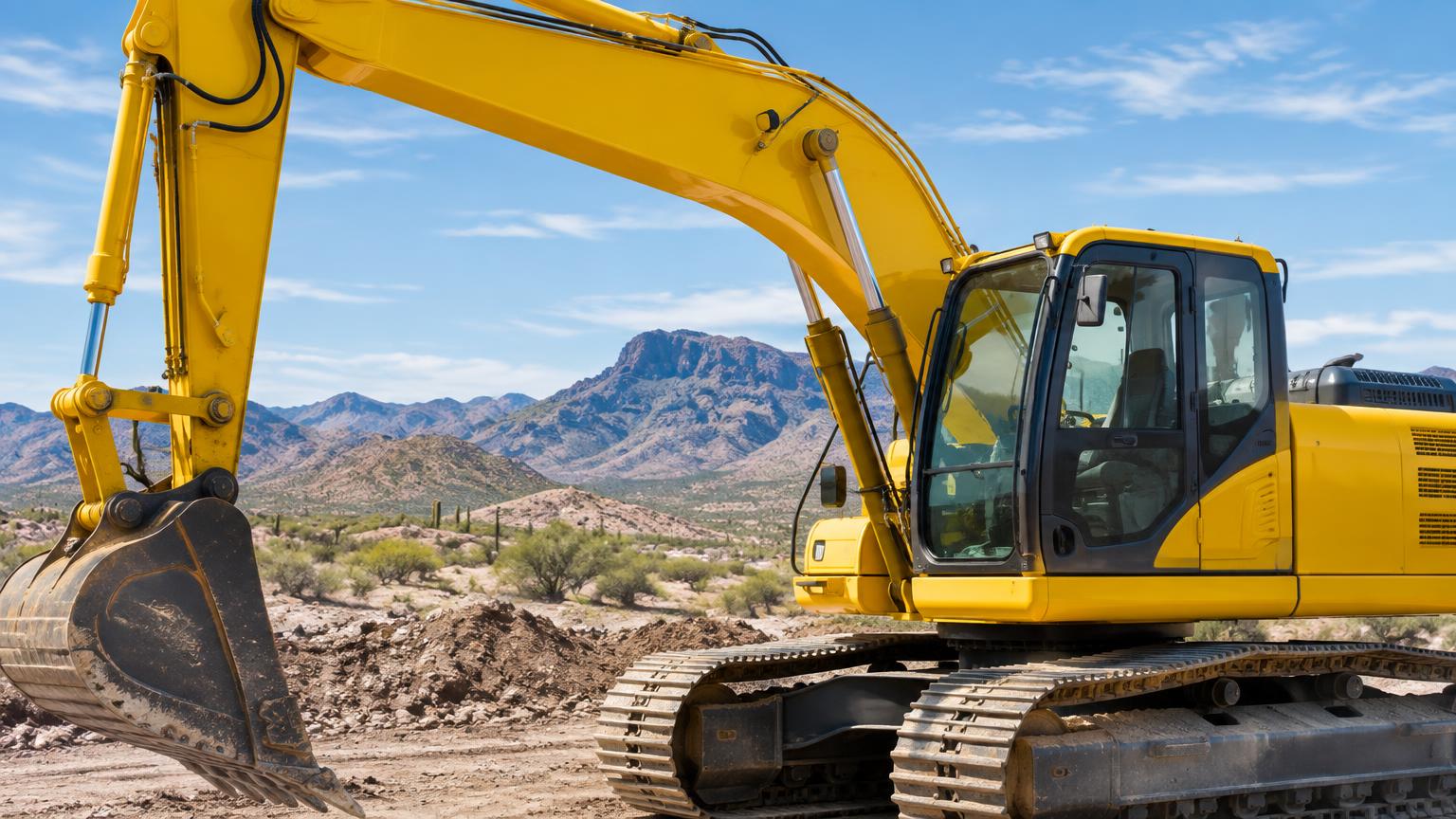
Is coating different for mini vs. full-size excavators?
The process is the same. What changes is the work they do and where they do it.
- Mini excavators often work in residential yards, driveways and tight lots. They're seen up close by homeowners, they get moved between sites a lot, and they're cleaned often. Easy washdowns and a sharp appearance matter.
- Full-size excavators spend longer on one site, often in full sun, with heavy dust and splatter. UV protection and washdown time are the bigger issues.
Which areas of an excavator wear the most?
Boom and stick
The boom and stick face the sun all day and catch dust, mud and concrete splatter. They're big painted surfaces — exactly where UV chalking shows first. Coating makes them easier to clean and slows fading. The areas close to the bucket see contact that coating can't stop.
Counterweight
The counterweight swings past everything. It collects scrapes, dust and grime, and on many machines it carries the decal or company name. Coating helps it clean up and keeps the lettering looking sharper.
Cab
The cab is what the operator, the GC and the homeowner all look at. Paint, plastics and glass all benefit from coating.
Why coat excavator cab glass?
Visibility. Coated glass sheds water and dust more easily, so monsoon rain beads off and fine caliche is easier to rinse. It also resists hard-water spotting from washdowns. Operators see better, and the glass takes less scrubbing.
| Option | Cost tier | Protection | Washdowns | Effort to keep up | Best for |
|---|---|---|---|---|---|
| Ceramic coating | Medium | UV and chemical resistance; keeps gloss. No protection from gouges or impact | Mud, dust and fresh splatter release more easily | Low; gentle wash, periodic top-up | New machines on day one |
| Wax / sealant | Low | Short-term gloss and some UV help | Slightly easier at first | High; reapply often in Arizona heat | Short-term or occasional use |
| Do nothing | Low up front | None; paint and decals chalk and fade | Harder over time as paint oxidises | None until it needs fixing | Machines near end of service life |
| Repaint later | High | Resets appearance, then starts fading again | Back to bare paint | Downtime and transport for paint work | Old machines worth refreshing |
Be clear on what coating does. Ceramic coating does not stop rock chips, dents, gouges or deep scratches — a bucket against rock will still mark the paint. It resists UV and chemicals, makes washdowns easier and keeps the gloss. For high-impact areas, paint protection film is the physical layer.
Why coat a new excavator on delivery day?
New paint needs no correction. Coating goes on clean, quickly, and protects for the whole working life of the paint. Leave it a season, and fade, chalking and baked-on concrete have to be dealt with first — more time, more cost.
What's on the day-one protection checklist?
- Contact us before delivery, with the machine and date, so coating can be booked that week at your yard.
- Keep it off the job until coated if you can.
- Coat the paint: boom, stick, counterweight, cab and house.
- Coat cab glass for visibility.
- Coat plastics and trim to slow fading.
- Leave wear parts uncoated: bucket, teeth, cutting edges, tracks.
- Brief the operator and wash crew.
What about decals, lights and mirrors?
Decals on an excavator — the model, safety markings and your company name — fade fast in Arizona sun. Coating over them helps slow that fade and keeps them cleaner. Peeling or cracked decals should be replaced before coating, not coated over.
Work lights and mirrors matter for safety. Coating lenses and mirror glass helps dust and water shed, so they stay clearer between washes. It won't stop impacts.
Handrails, steps and other grab points should stay grippy. They're cleaned, but not coated with anything that makes them slick. Safety comes first.
If the machine moves between sites on a trailer, highway grit and road spray add to the dust it collects on the job. A quick rinse after transport keeps it from baking on in the sun.
Swing and travel also matter. Machines that track across rough sites throw up more dust onto the lower house and tracks frame. Those areas get dirtier faster, and they're where washdowns take longest. A coated lower house makes the end-of-day rinse noticeably quicker, though it won't stop debris contact.
For rented or financed machines, check the agreement before any work is done. Coating is non-invasive, but it's always worth confirming what the owner allows. The same goes for warranty questions — ask the dealer.
What washdown routine works after coating?
- Clean promptly. Concrete, asphalt and monsoon mud release much more easily before they cure or bake on.
- Rinse loose caliche and dust first. Low-to-moderate pressure, with distance from decals, seals, connectors and grease points.
- Use gentle chemicals. A coated machine usually doesn't need harsh degreasers or acid washes on the paint.
- Watch the water. Hard-water washdowns leave spots in the sun. Rinse in shade or early, and dry glass where you can.
- Top up as advised. A coating maintenance product keeps the surface slick between visits.
Pay extra attention to hydraulic fittings and cylinder seals when washing. Keep high pressure away from them.
What if our excavators are already faded?
Faded, chalky paint can often be improved with correction before coating. It's more work than coating a new machine, and very deep fade may not fully come back. See paint correction in Phoenix and ceramic coating in Phoenix.
Related: the heavy equipment ceramic coating guide and skid steer and track loader coating. We work at yards and sites in Deer Valley and North Phoenix.
Frequently asked questions
Can you ceramic coat an excavator?
Yes. The boom, stick, counterweight, cab paint, glass and plastics can all be coated. Wear parts like buckets and tracks aren't.
Is ceramic coating worth it on a mini excavator?
Often, yes. Minis work in front of homeowners and get cleaned often, so easier washdowns and appearance matter.
Does coating excavator cab glass help visibility?
Yes. Coated glass sheds rain and dust more easily and resists hard-water spotting.
Will ceramic coating protect the boom from scratches?
No. It protects against UV and makes cleaning easier, but doesn't stop gouges, chips or contact scratches.
How do you wash a coated excavator?
Clean promptly, rinse loose dust first, use gentle chemicals and keep high pressure away from decals, seals and hydraulic fittings.
When should a new excavator be coated?
The week it's delivered, before the first job. Contact us before delivery to schedule it at your yard.